



Sandcastle worms are fascinating marine critters. If you have visited the tidepools, you may have seen their homes. But you never see the worms during low tides because they are hunkered down inside their home. Look at the images below from iNaturalist to see these remarkable critters.
Learn how they and crabs are being used in medical applications.
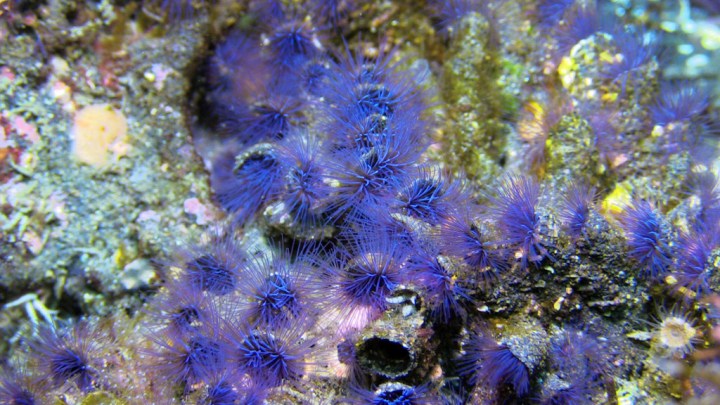
Sandcastle worms, scientifically known as Phragmatopoma californica, are marine polychaete worms that inhabit the intertidal zones of the Pacific Ocean. They construct protective tubes from sand and shell fragments, using a natural adhesive to bind these materials together. This unique ability has inspired significant research into medical applications.
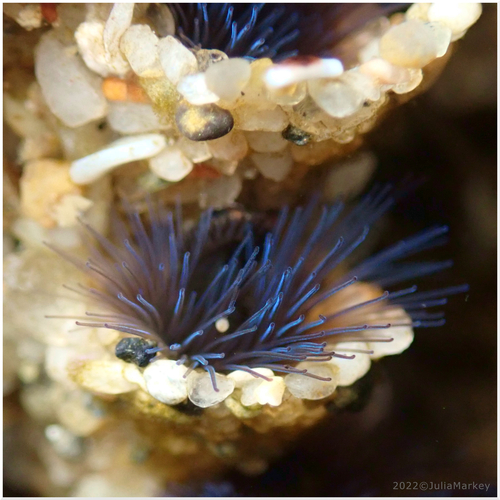
Medical Applications of Sandcastle Worm Adhesive
Researchers have developed a synthetic adhesive that mimics the natural glue produced by sandcastle worms. This adhesive has several potential medical uses:
- Bone Repair: It can be used to repair shattered bones, providing a biocompatible alternative to traditional methods that rely on metal screws and pins.
- Wound Sealing: The adhesive can also seal wounds, which is particularly useful in surgical settings.
Watch a short summary on how this works.
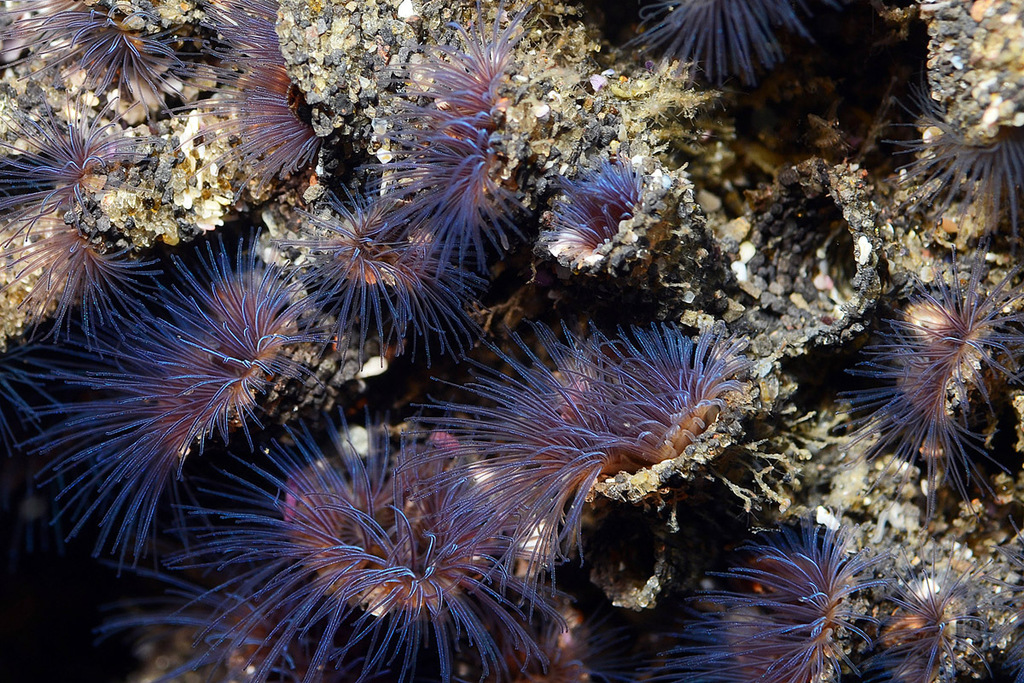
Wait there’s more!
Learn how Crab shells and seaweeds are used together to produce bio-based fibers.
Crab-shell and seaweed compounds spin into yarns for sustainable and functional materials
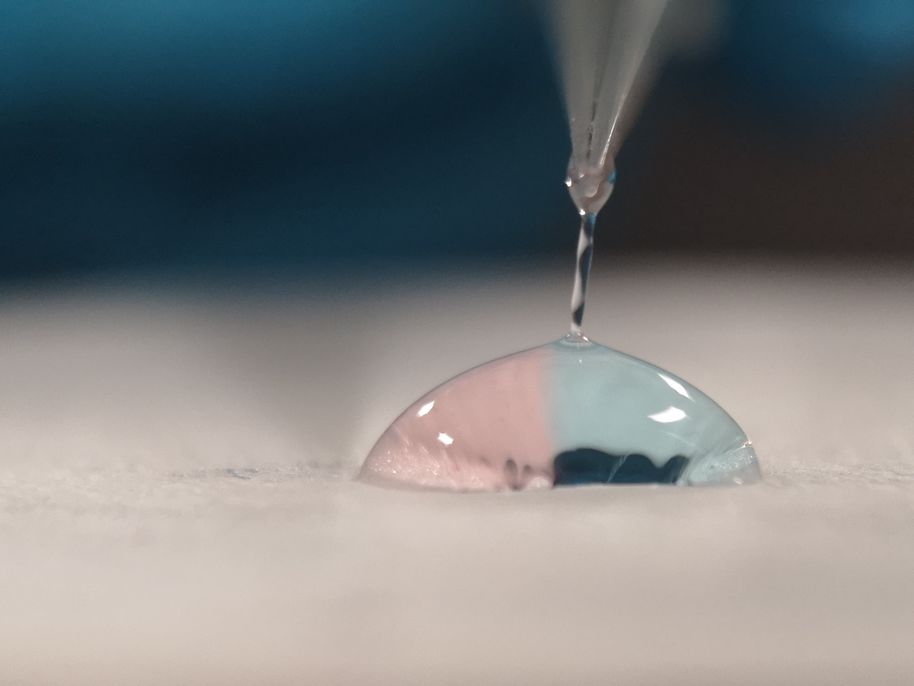
Biobased fibres are made from two renewable marine resources and with promise in advanced applications, in wovens and medical materials, among others. The threads draw strength from the crab chitin component and flexibility from seaweed alginate.
Researchers from Aalto University, the University of São Paulo and the University of British Columbia have found a way to make a new kind of fibre from a combination of chitin nanoparticles, extracted from residual blue crab shells and alginate, a compound found in seaweed. This new bio-based material is sturdy and has antimicrobial properties.
Bonus Feature
Tiny Antarctic sea creature could be key to treating melanoma, researchers say
Researchers at a Florida university say bacterial toxins produced by tiny marine organisms they have studied in Antarctica could become an effective treatment for melanoma, the deadliest form of skin cancer.
A team from the University of South Florida (USF), Desert Research Institute (DRI) and Scripps Institution of Oceanography (SIO) recently returned from a six-week expedition to one of the world’s remotest regions in which they collected samples of ascidians, invertebrates known as sea squirts that thrive in the icy waters.

