

Naturally Speaking Series – When Rhinos Roamed and Walruses Were Weird: The Story of Life in Ancient SoCal
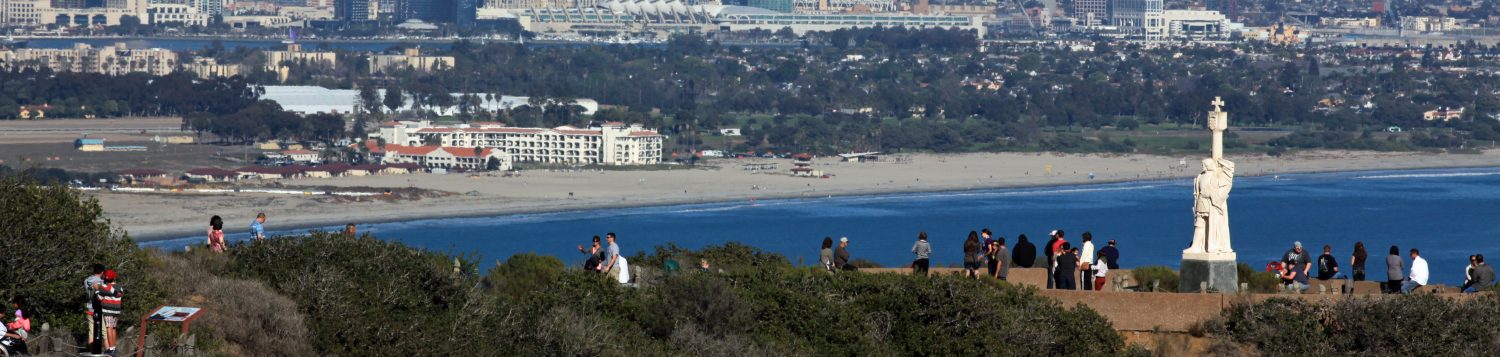
oday, we know Southern California for its sunny days and sprawling cities. But if we travel through the pages of geologic history, the world we know would have looked unrecognizable through the ages. From ancient rainforests 45 million years ago to sunken seagrass meadows 15 million years ago, Southern California has undergone incredible environmental changes and hosted a wonderful assortment of strange, but somewhat familiar … Continue reading Naturally Speaking Series – When Rhinos Roamed and Walruses Were Weird: The Story of Life in Ancient SoCal

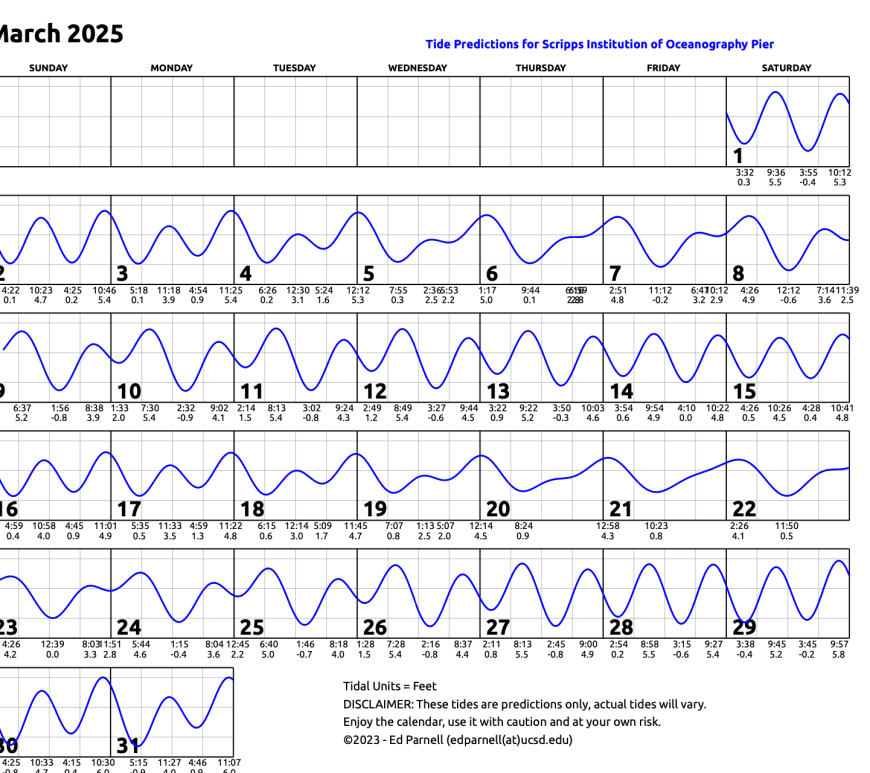
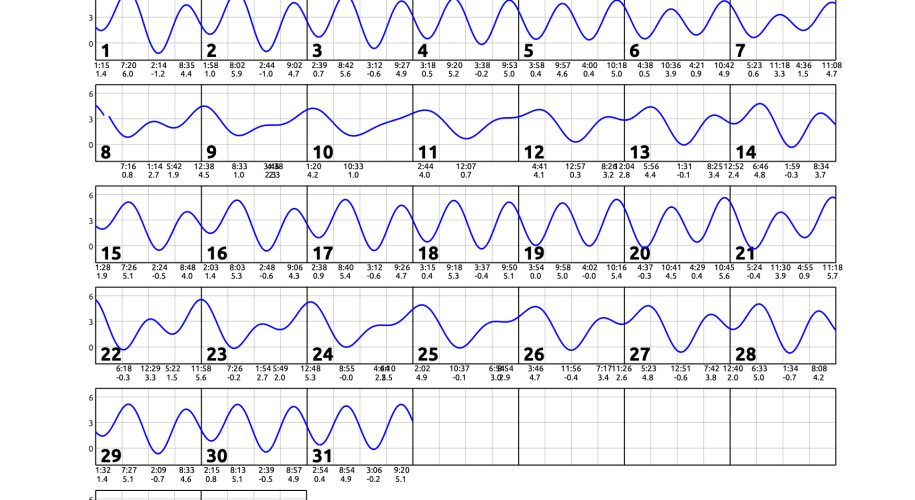
March 2025 – Tides

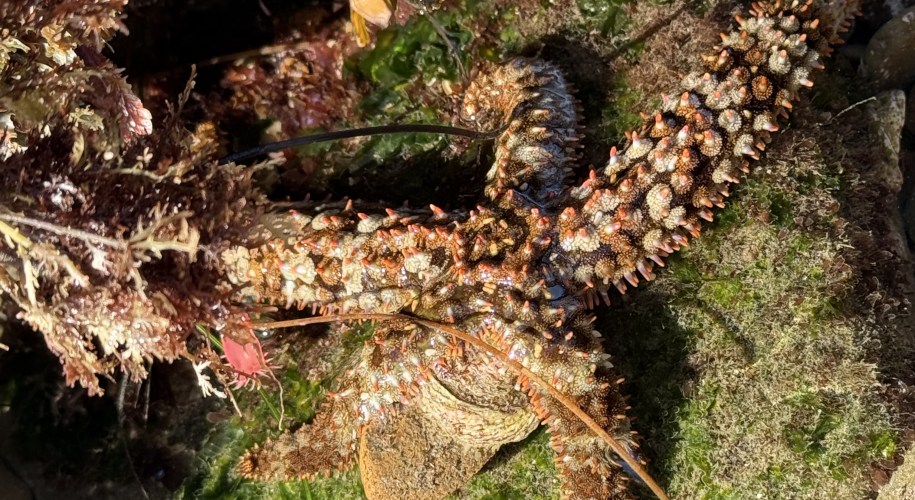
What’s in the Tidepools? – February 2025
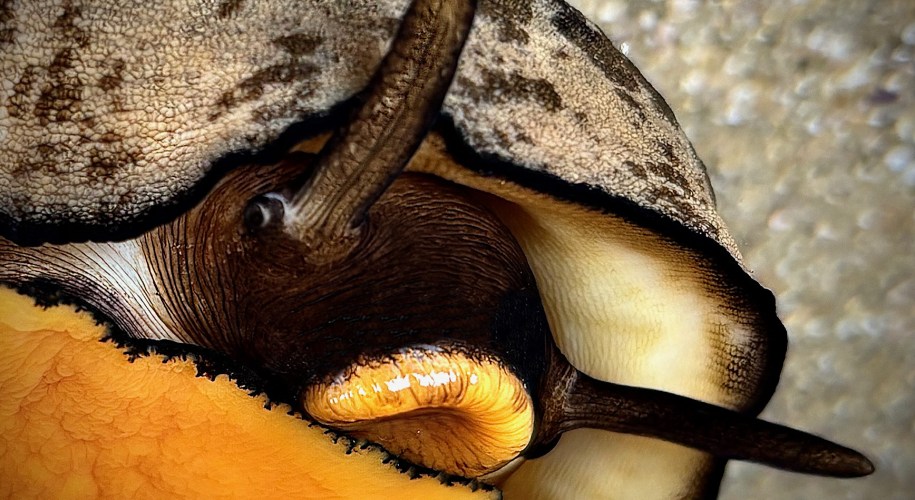
(Bat Star – NPS Photo/P. Geisler) Here is a sampling of what our volunteers observed during this busy month — thank you to everyone who contributed. Remember to send in your photos; we truly appreciate sharing them with everyone. Don’t forget to visit the Tidepool Videos page and our YouTube page. Enjoy the virtual visit through the tidepools. Continue reading What’s in the Tidepools? – February 2025
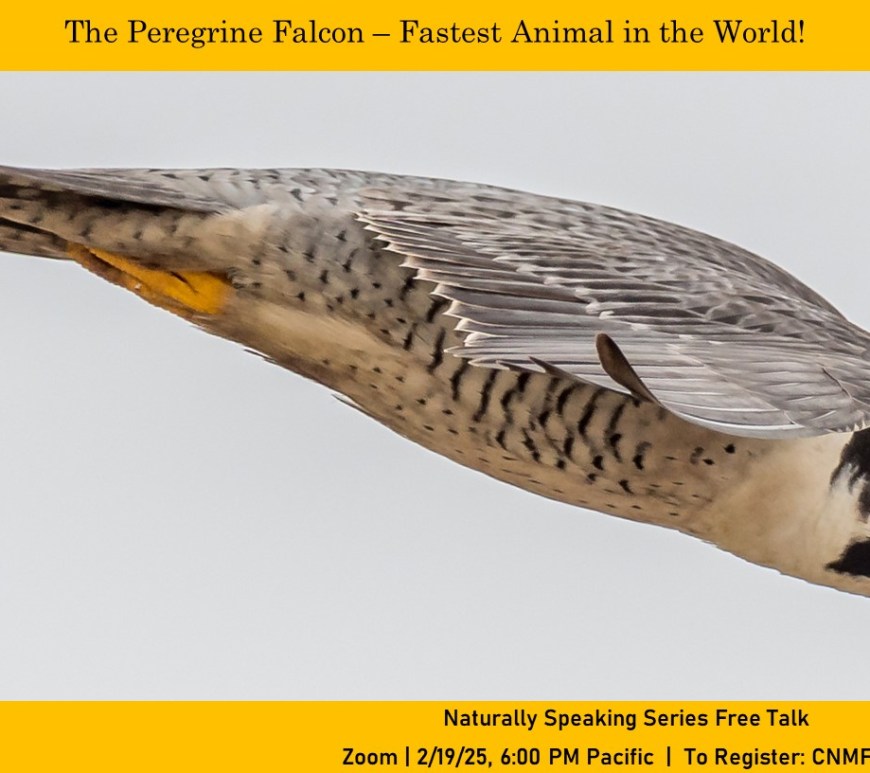
Naturally Speaking Series – The Peregrine Falcon – Fastest Animal in the World!
Please join volunteer naturalist Don Endicott to learn about Peregrine Falcons, the fastest animal on Earth! Don will talk about the Peregrine’s highly specialized physical features and aerial skills, adaptations required for successfully capturing prey while reaching speeds over 200 miles an hour. Their natural history, courtship behaviors, and remarkable comeback from near extinction in the mid-1960s will also be discussed. Featured throughout the talk … Continue reading Naturally Speaking Series – The Peregrine Falcon – Fastest Animal in the World!
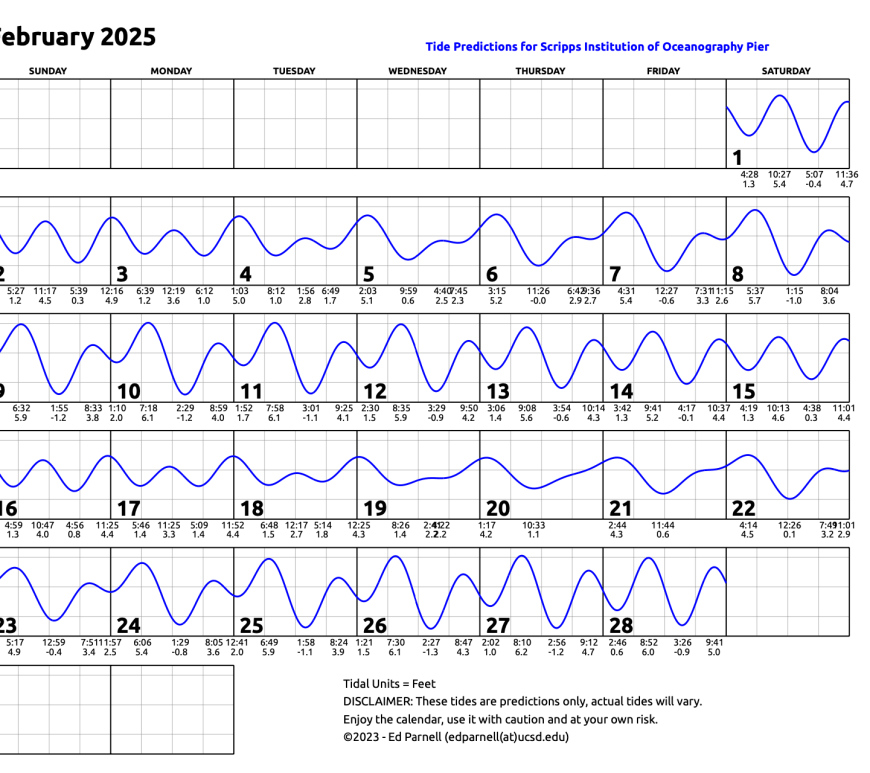
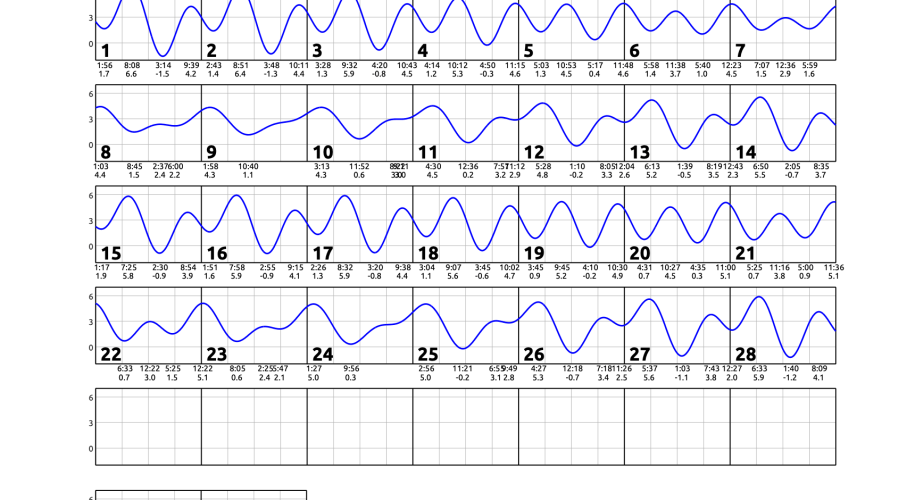
February 2025 – Tides

What’s in the Tidepools? – January 2025
(Anemone – NPS Photo/M. Rose) Here is a sampling of what our volunteers observed during this busy month — thank you to everyone who contributed. Along with the king tides, we also had Whale Watch Weekend. We have lots of Bat Stars, we have lots of Sea Hares, we have anemones, we have crabs, we have keyhole limpets, we have a major bluff collapse, we … Continue reading What’s in the Tidepools? – January 2025
 CNM VIP Voice