


What’s In the Tidepools? – December 2023
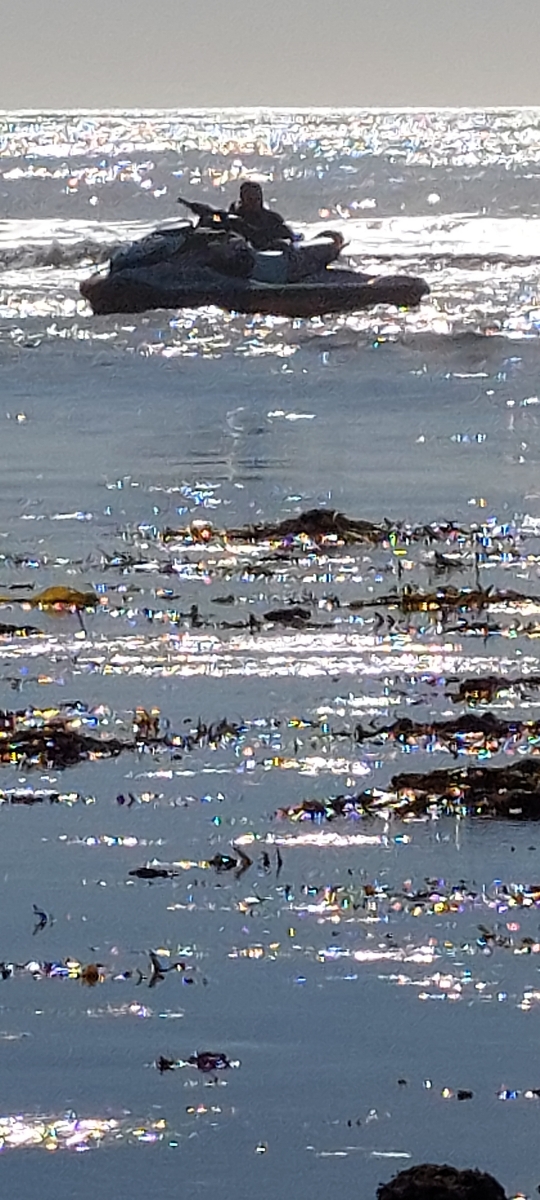
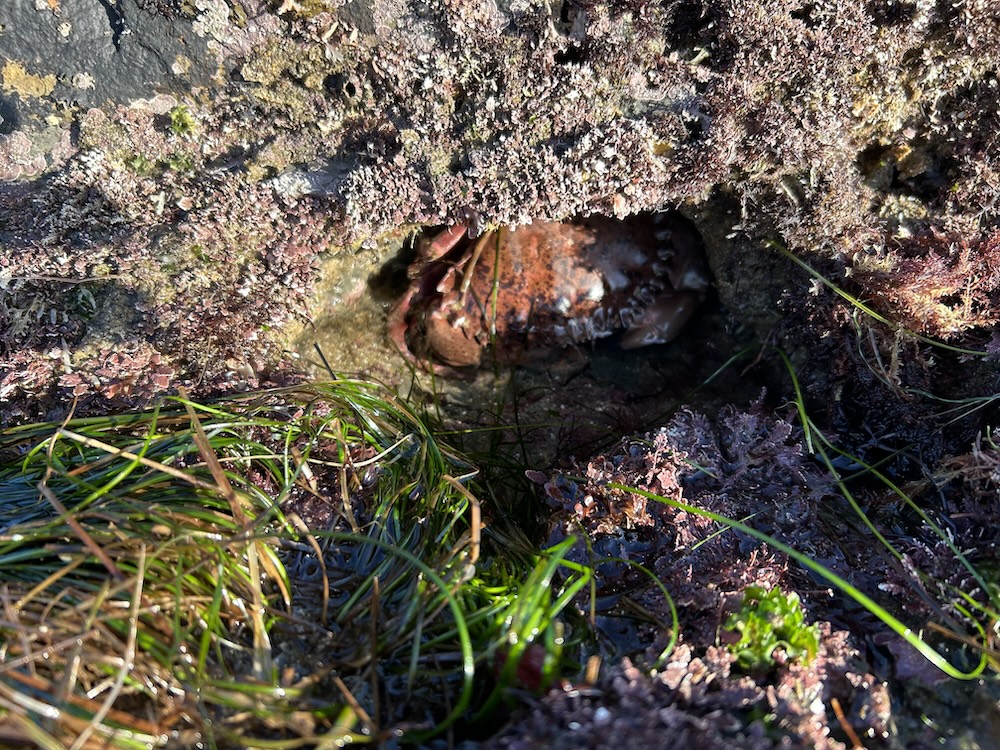
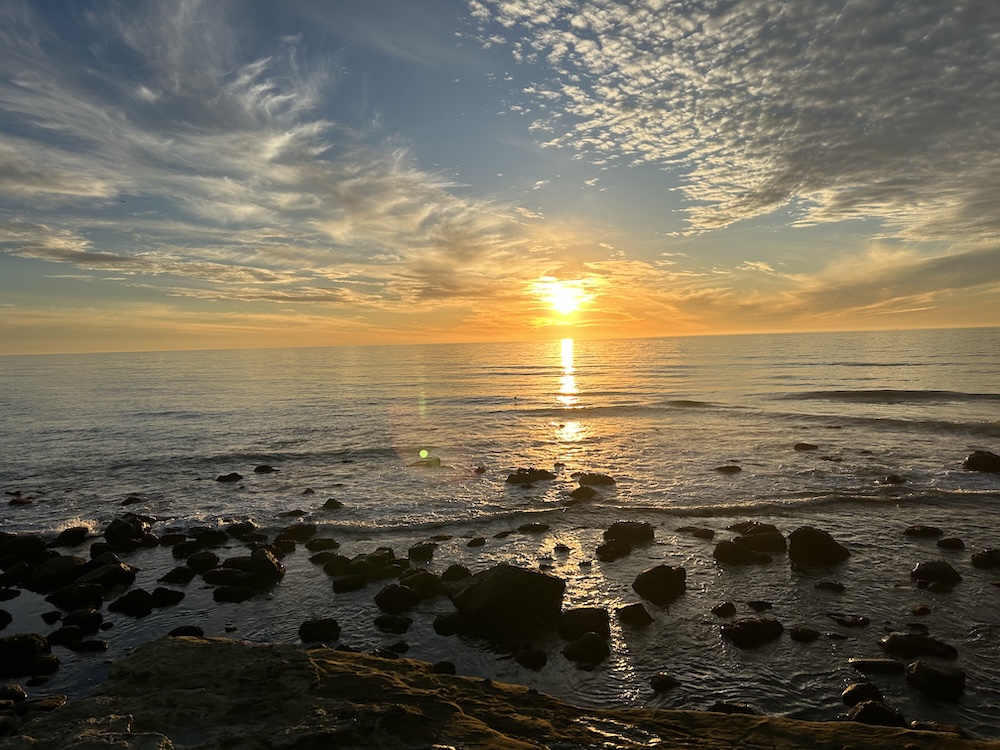
December was a busy month in the tidepools. King Tides, high surf, holiday visitors, negative tides, jet skis stuck in shallow water and great weather allowed for fantastic viewing in the rocky intertidal. December’s highlights include, octopus, keyhole limpets, sea stars and more. Here is a sampling of what our volunteers observed during this month — thank you to everyone who contributed. Remember to send in your photos; we truly appreciate sharing them with everyone.
Don’t forget to visit the Tidepool Videos page.
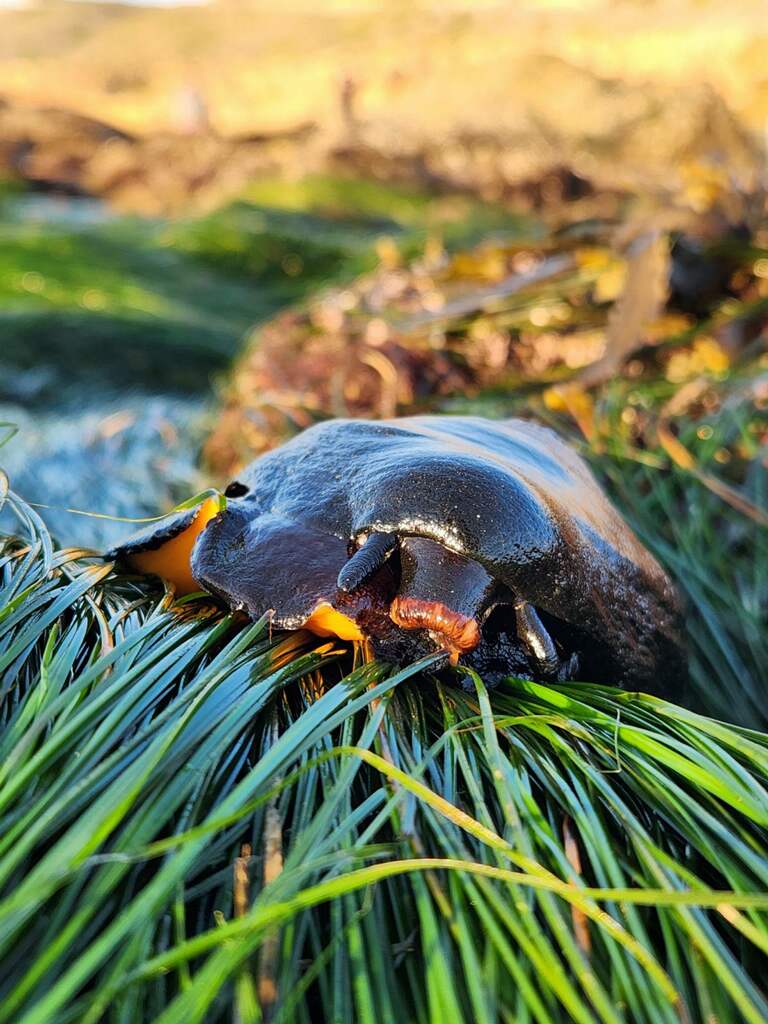
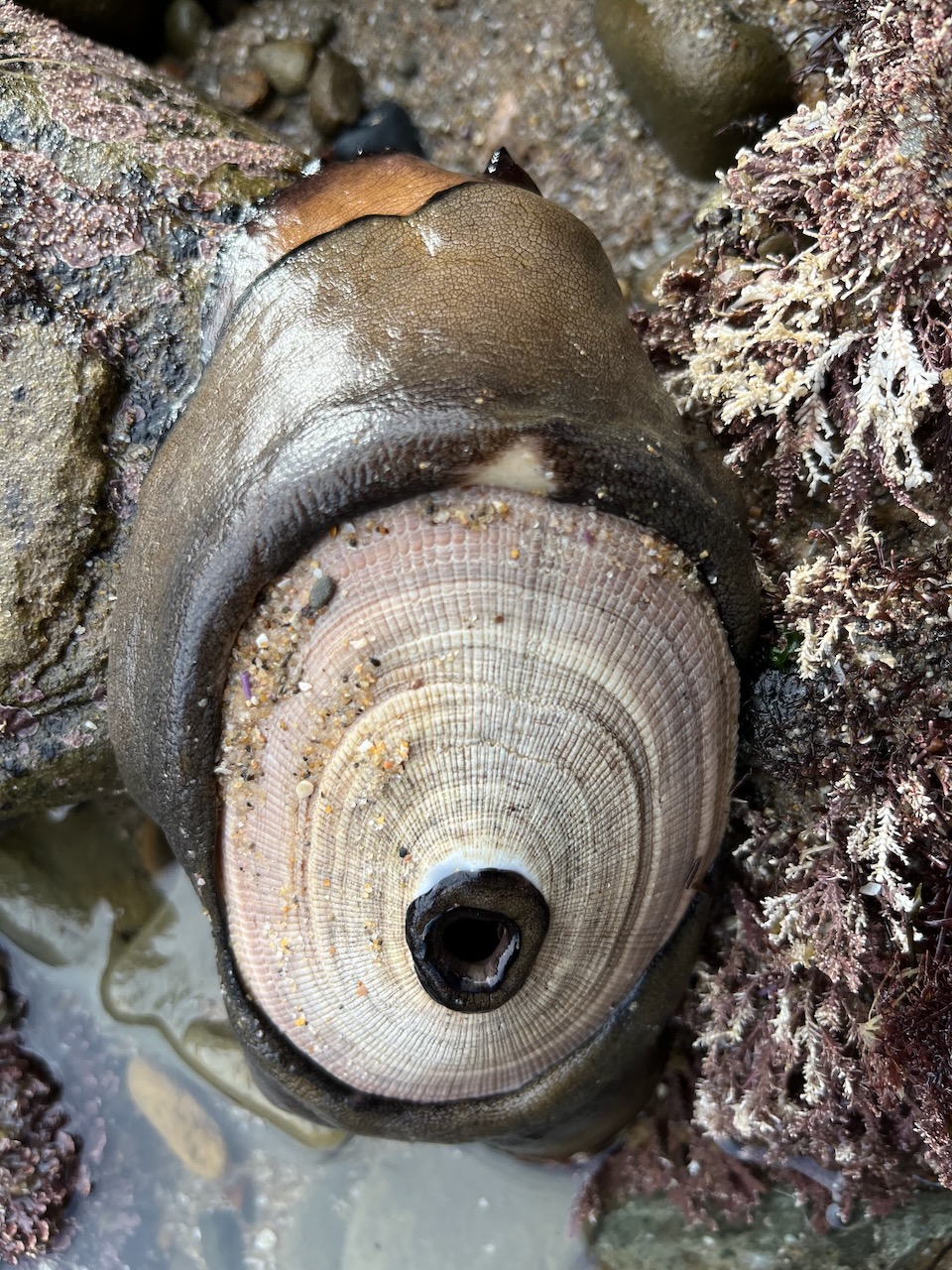
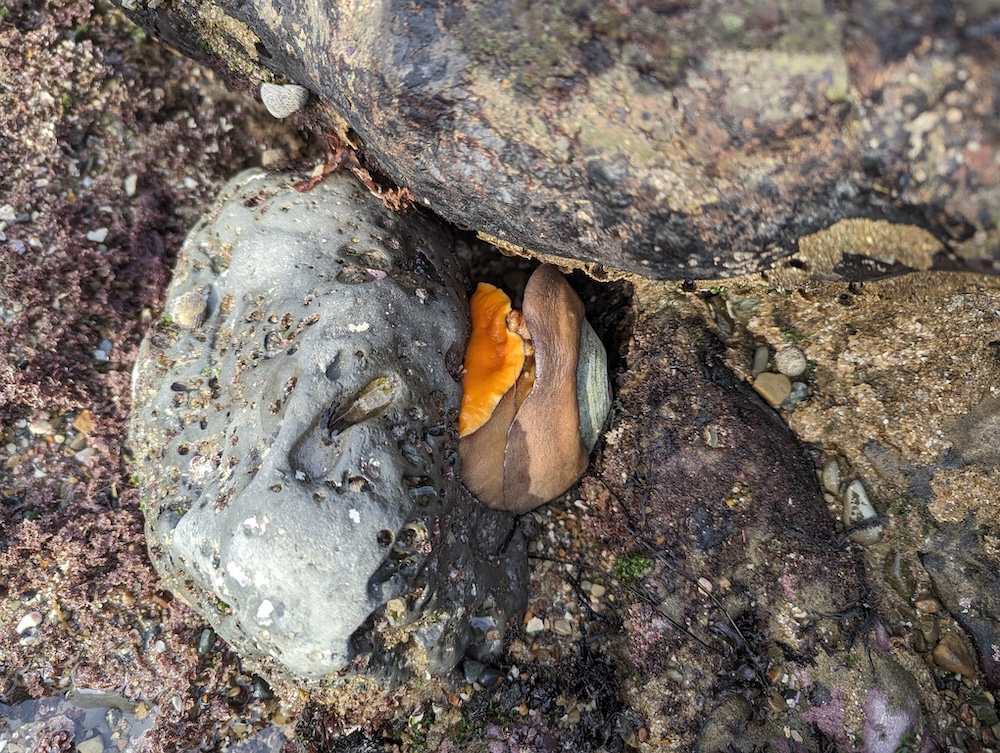
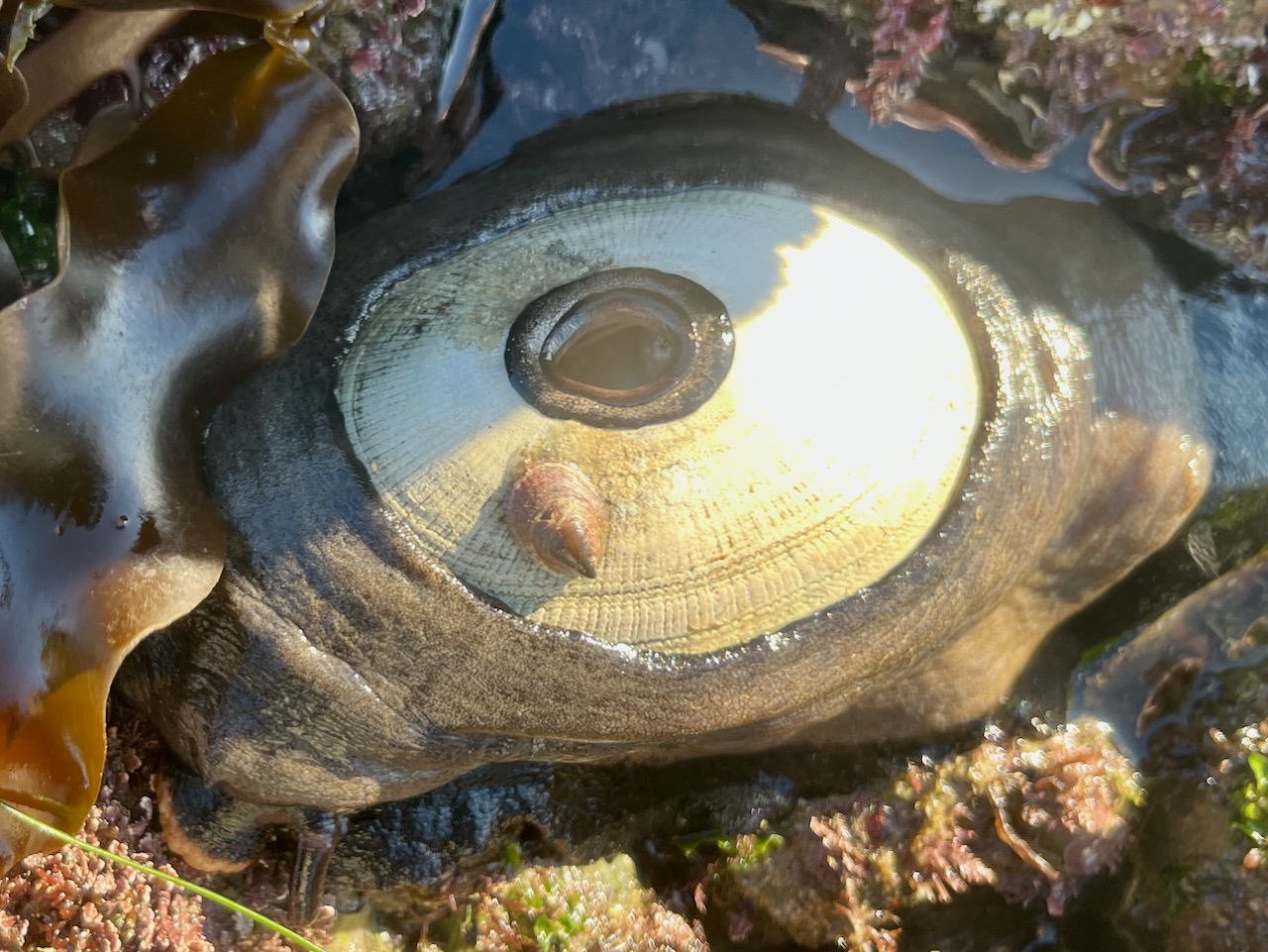
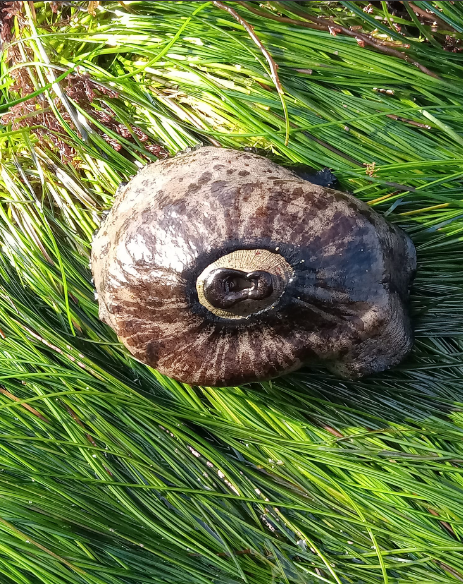
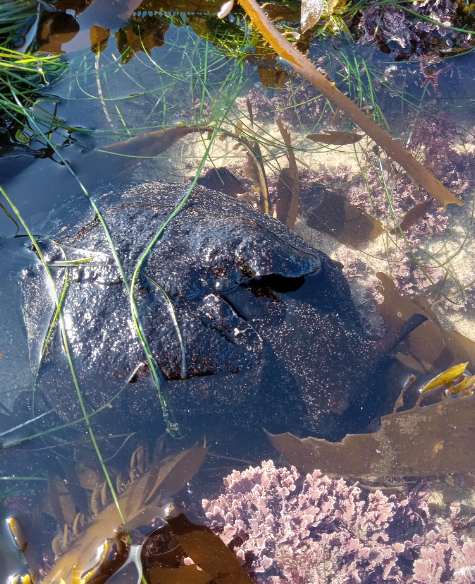
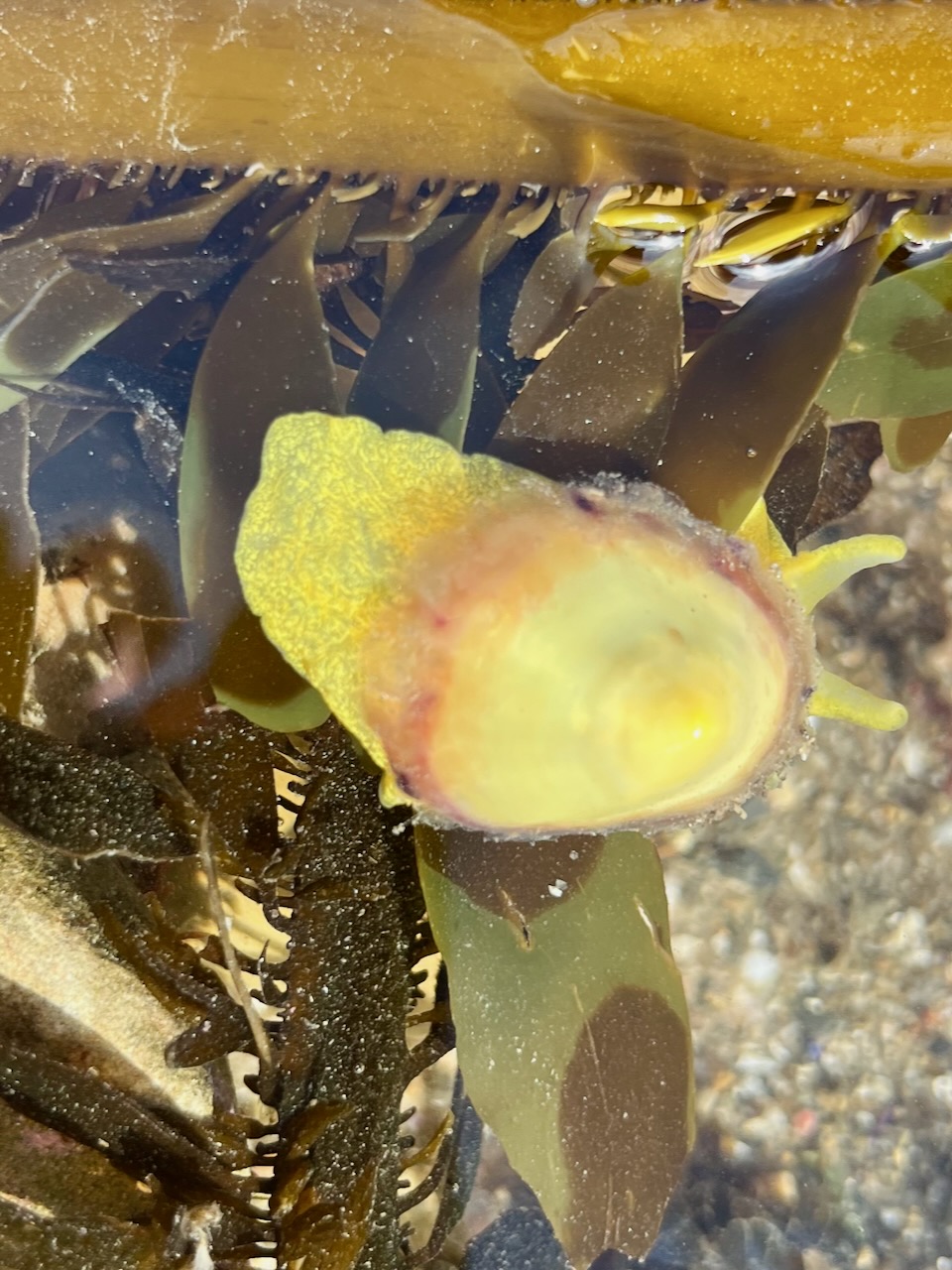
Keyhole Limpets were very prevalent this month. VIP Denine said visitors first thought the Keyhole Limpet she observed was a turtle!
Did you Know? Keyhole limpet hemocyanin (KLH) is a vital protein used in creating antibodies for research and medicine. It helps stimulate the immune system’s response to small substances, called haptens, that are usually not recognized by the immune system. KLH is favored because of its large size, which triggers a strong immune response, and its origin from a limpet, a type of sea snail, makes it less likely to cause errors in research involving mammals.

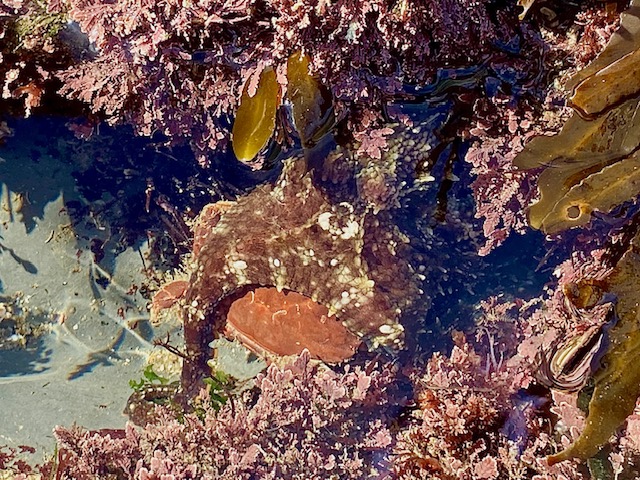
Octopus sightings were common during December and as always the visitors were excited to see them. Check out this octopus video from CVA Hannah.
Did you see the recent Cabrillo Field Note about the Two-Spot Octopus?, It was written by 13 year old Conservation and Environmental Stewardship Apprentice Izzy Song.

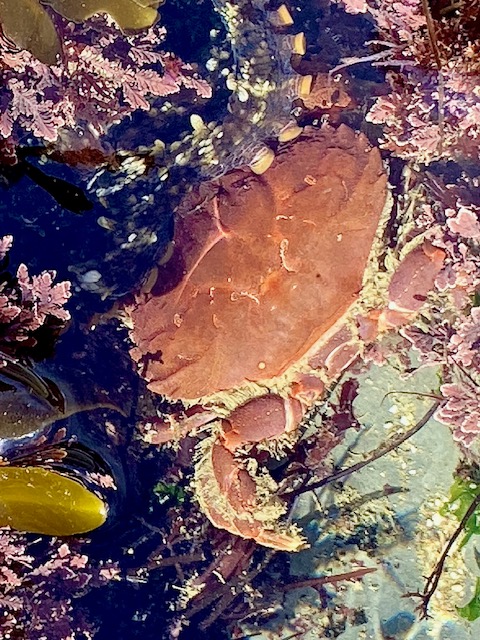
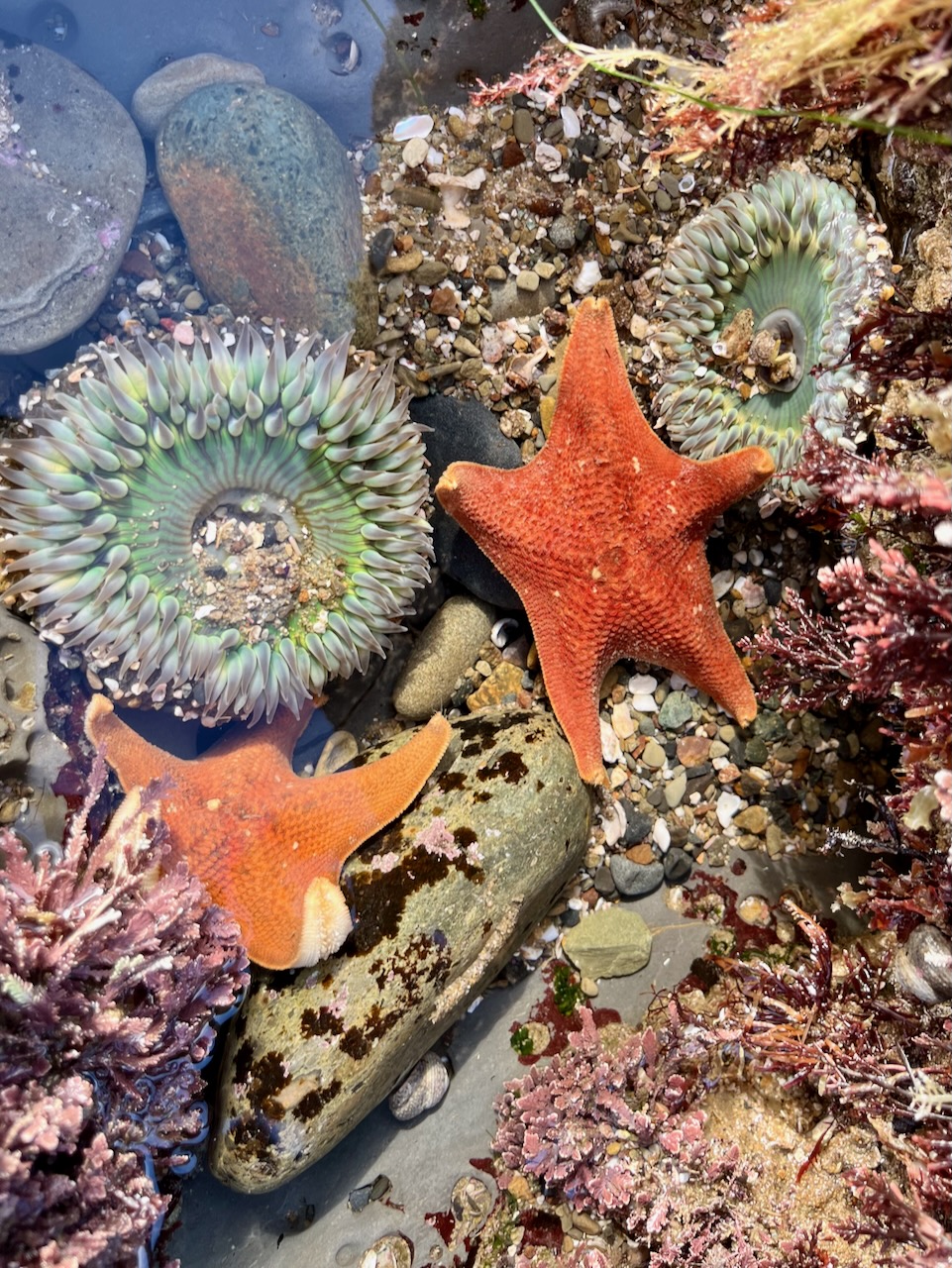
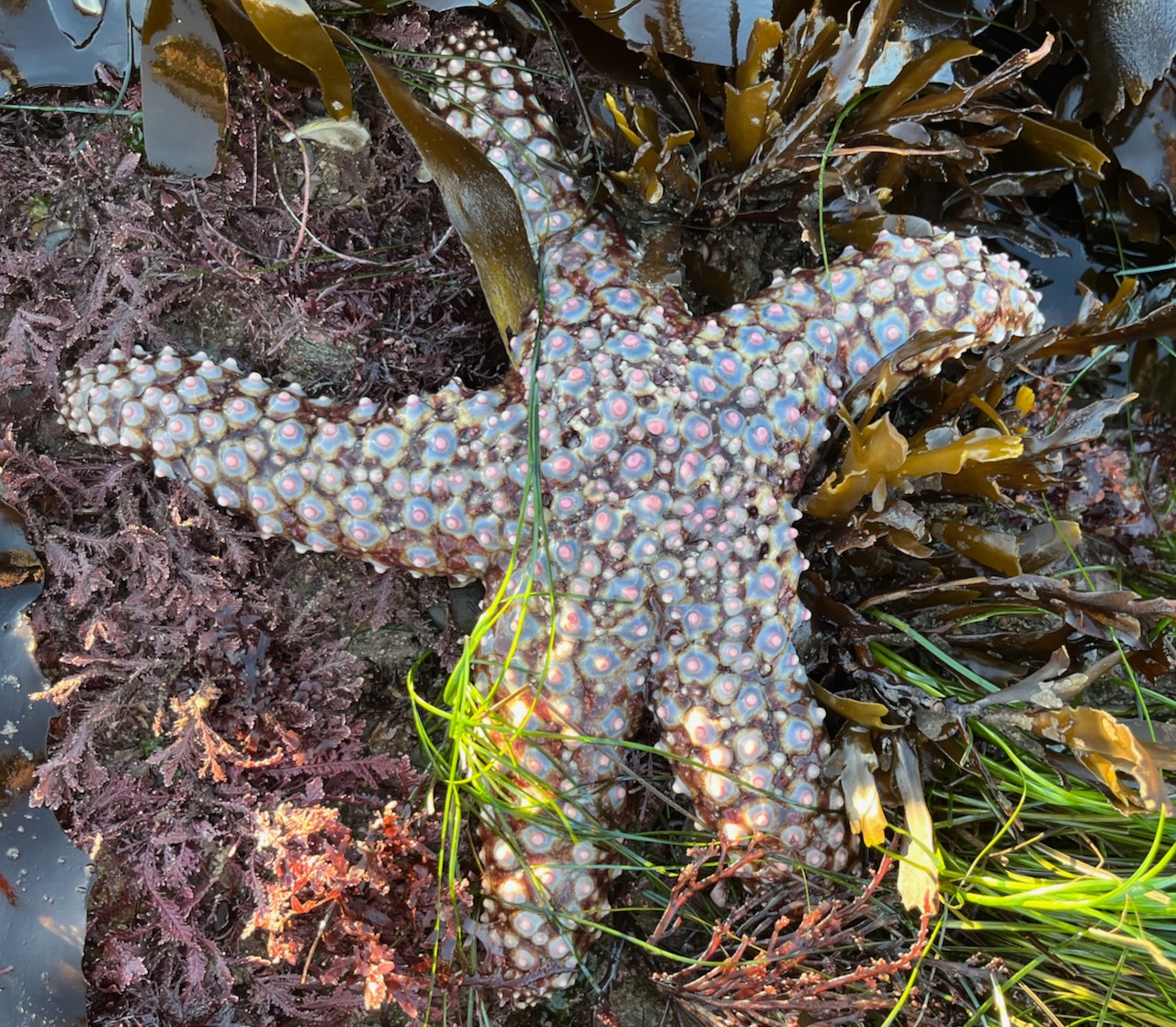
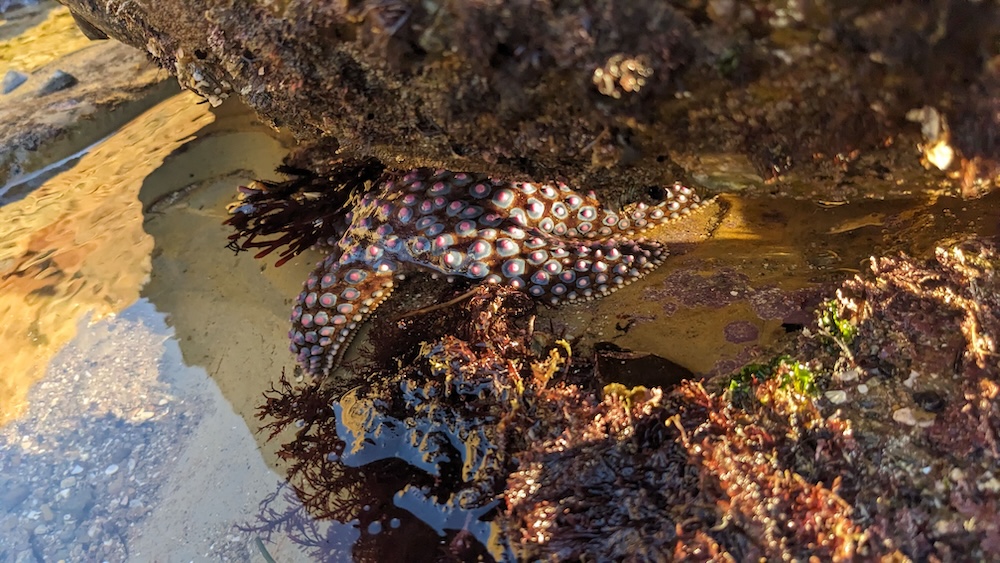
Visitors are often asking to see Sea Stars in the tidepools. Well December didn’t disappoint.
The bat star has eyespots at the end of each arm that can detect light and uses sensors on its tube feet to “smell” prey. When a bat star finds a food item, it extends one of its two stomachs (the cardiac stomach) outside of its mouth cavity. The bat star then uses digestive enzymes to begin breaking down its prey. Eventually, the bat star pulls its cardiac stomach and partially digested prey back into its body to complete digestion.




While observing these rock shrimp, VIP Mary had a surprise guest by this Moray Eel. “This moray popped out right next to my hand while I was trying to photograph the striped shrimp. I was not scared, he was just checking me out saying” I’m here! Get a photo!” I do know where there are shrimp this size there is usually a moray nearby.“

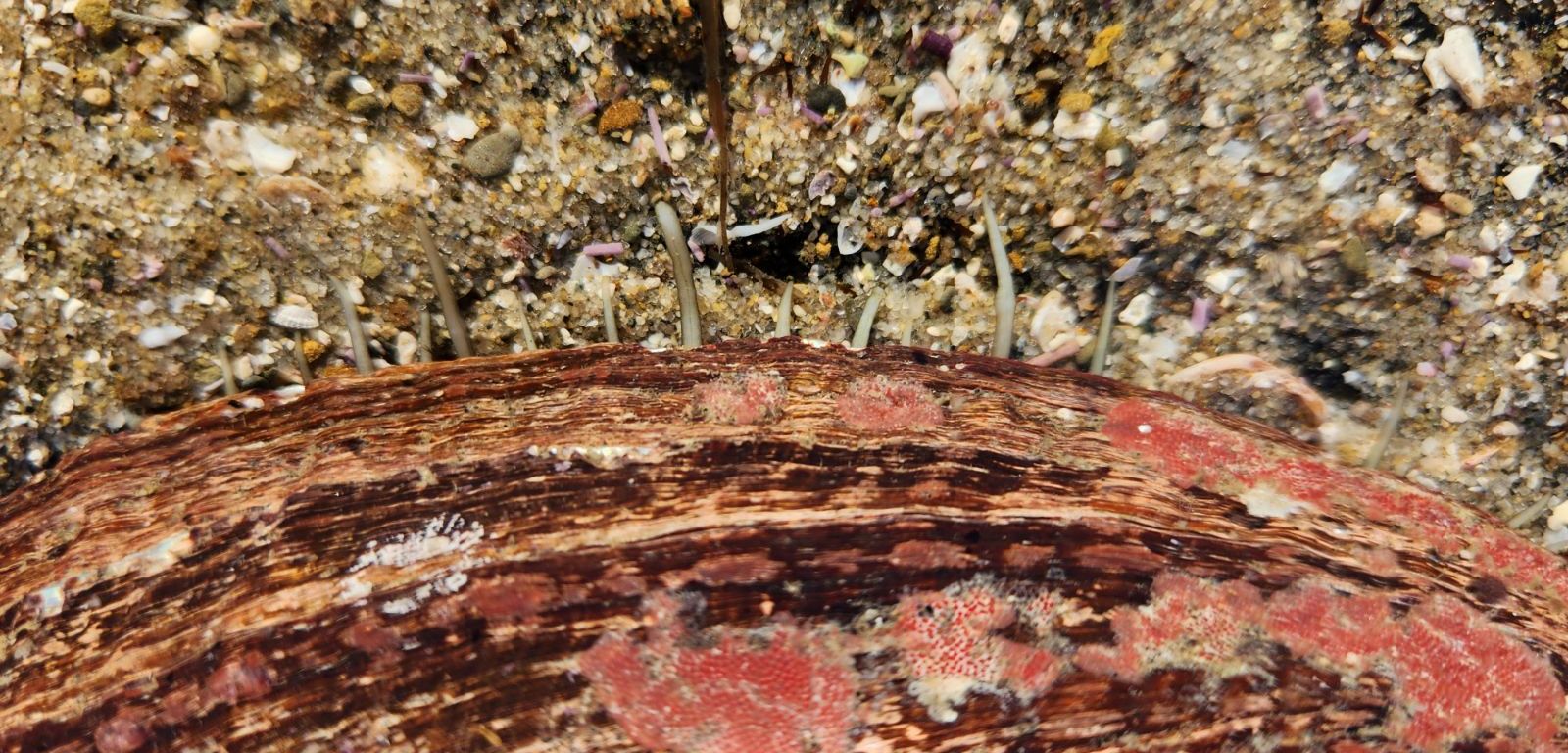
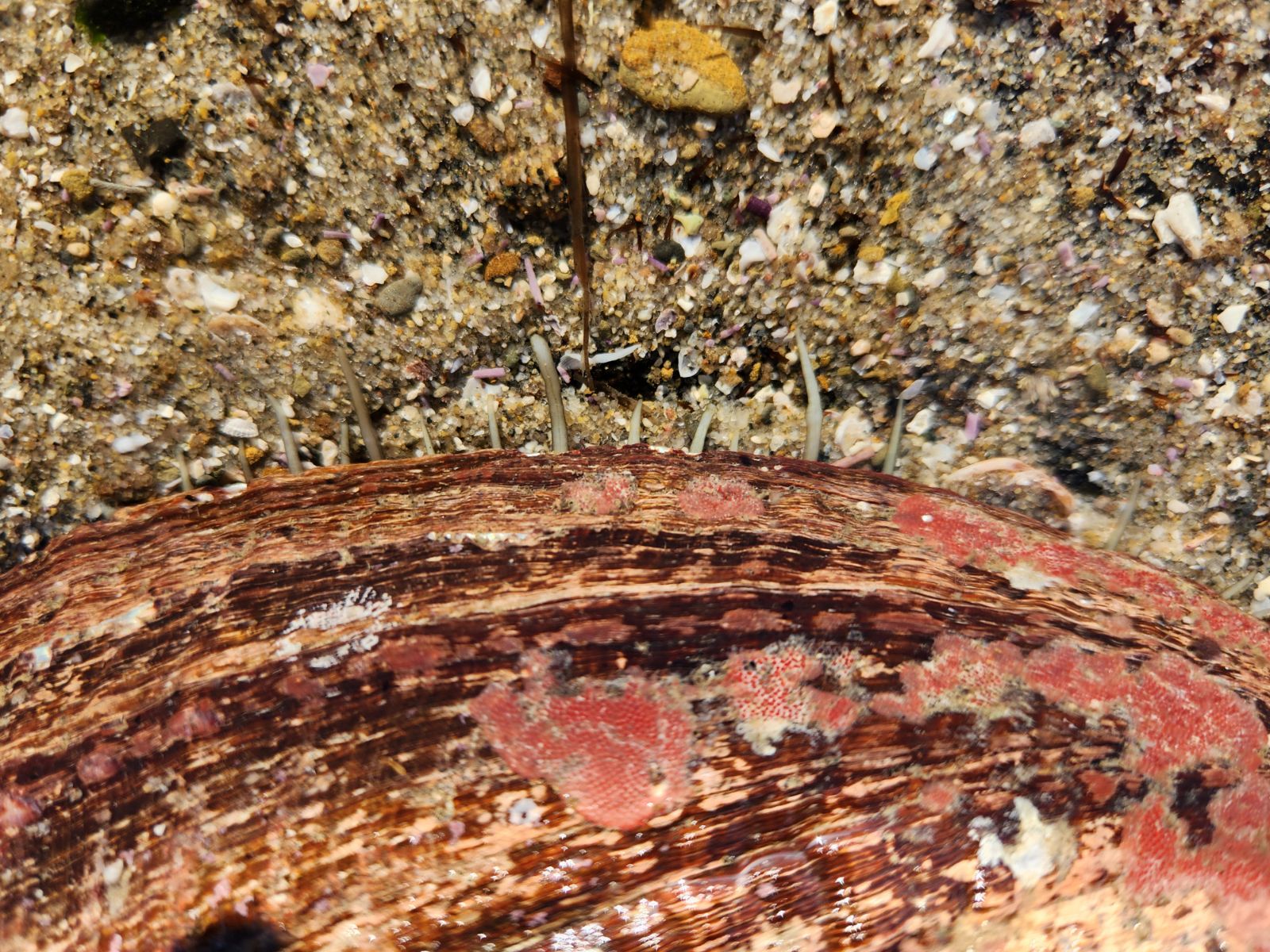
Science Education Coordinator Andrew found this abalone in Zone 2.
Besides man, abalones have a number of predators, including crabs, octopuses, fishes, sea otters, and sea stars. Abalones tend to live wedged in between rocks, held to the substrate by a large muscular foot. Once they have clamped down on the rock, it is impossible to remove them without a pinch bar. Although they tend to stay relatively still, they are capable of movement-especially when being attacked by a sea star.








 CNM VIP Voice
This reminded me of a great book….Soul of an Octopus by Sy Montgomery
Thanks for sending these emails as I really enjoy the photos of what we have in the tide pools. I often share them with my family.
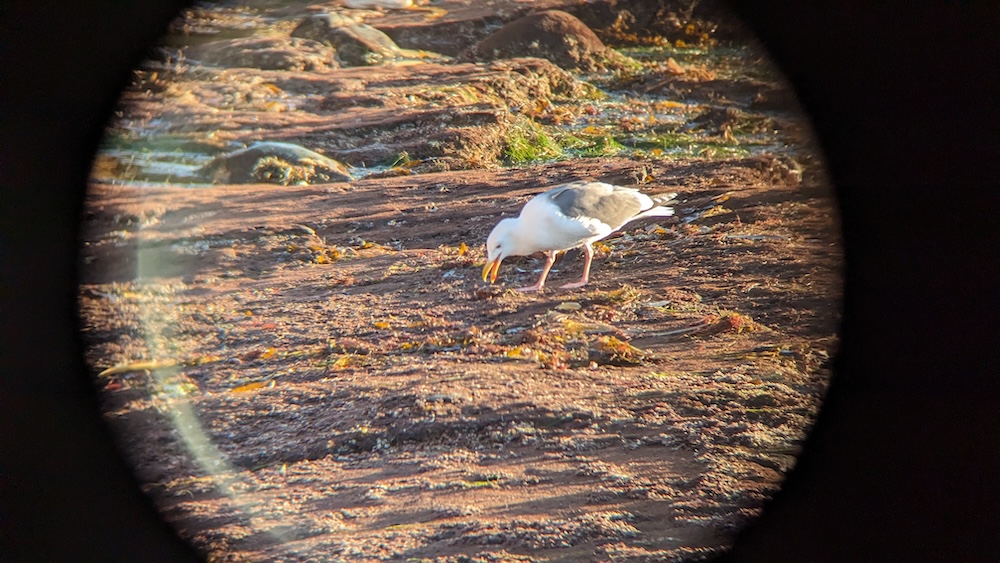
Besides thanking you for these emails, I would also like offer a bit of editing advice. The photo of the gull refers to it as a “sea gull”. That probably works for a lot of people but I was taught that it is best to not include “sea” when referring to gulls. A simple “gull” should suffice.
A long time ago I heard a bit of humor on this. Q: What do you call a gull flying over the bay? A: A bay gull.
Cheers and Happy New Year!
Larry Sward