


What’s In the Tidepools? – January 2024
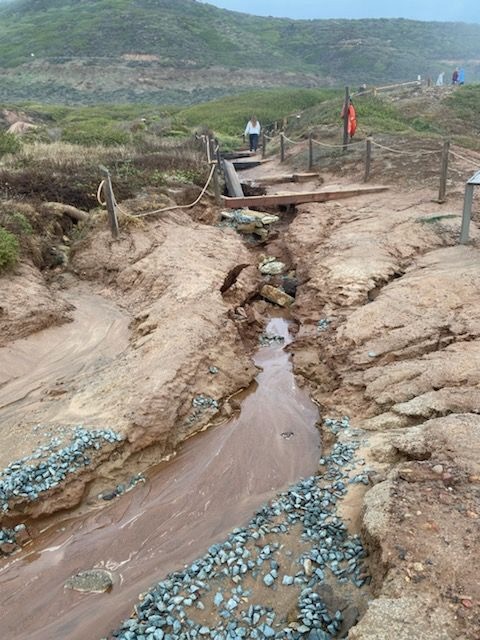
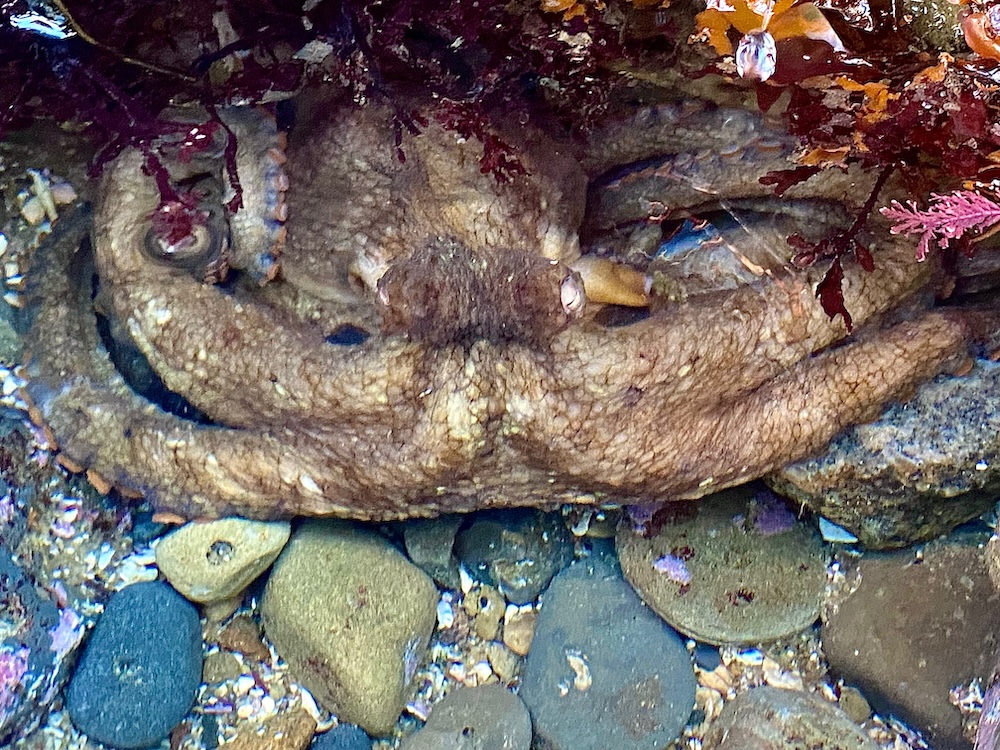
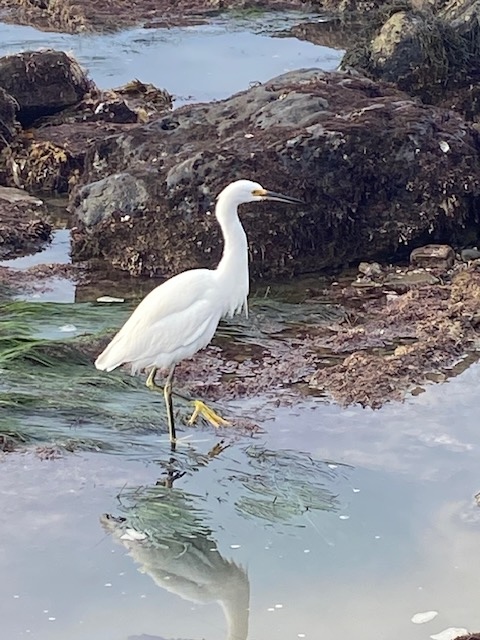
King tides did not disappoint this month. Lots of visitors and lots of tidepool critters! From Keyhole Limpets to Kelp Crabs to Sea Stars, even baby Sea Hares. Unfortunately, the heavy rains that we received on January 22 caused extensive damage to both the Coastal Trail and the Spur Trail. The entrance to the tidepools however, was quickly repaired by the California Conservation Corps (CCC) since luckily they were at the park anyway, but the Spur Trail remains closed suffering the bulk of the damage.
Here is a sampling of what our volunteers observed during this month — thank you to everyone who contributed. Remember to send in your photos; we truly appreciate sharing them with everyone.
Don’t forget to visit the Tidepool Videos page.
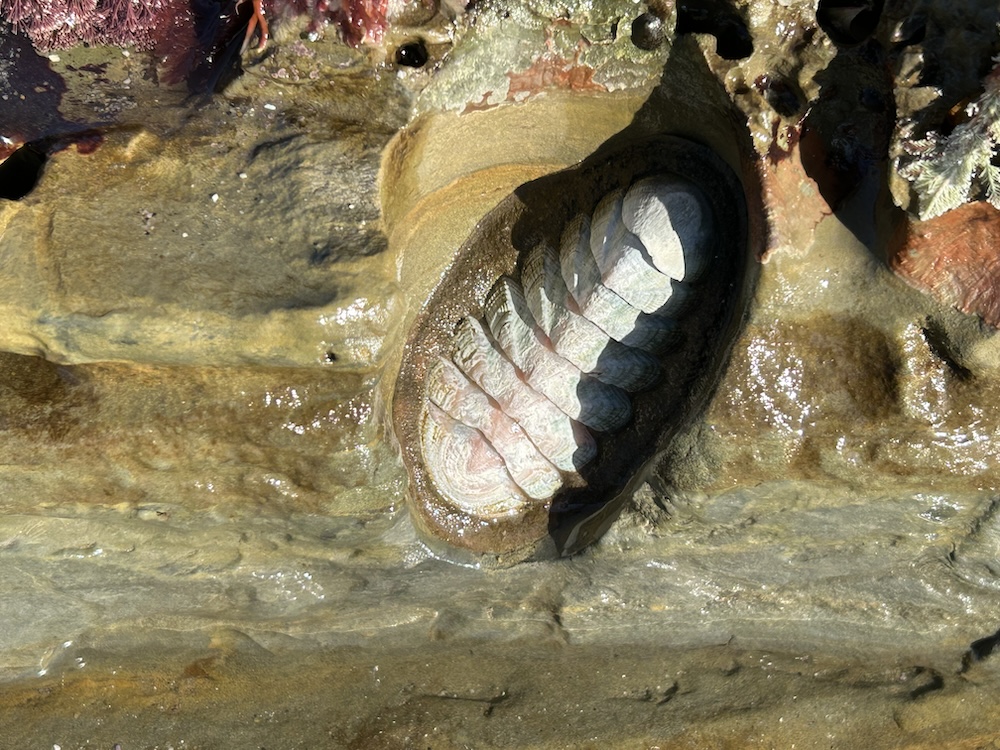
Keyhole Limpets were very prevalent this month.
The keyhole limpet uses its rasping tongue, called a radula, to scrape algae off tough rocks. The radula is the world’s strongest biological structure – it has to be to constantly scrape algae off the rocks without wearing away.


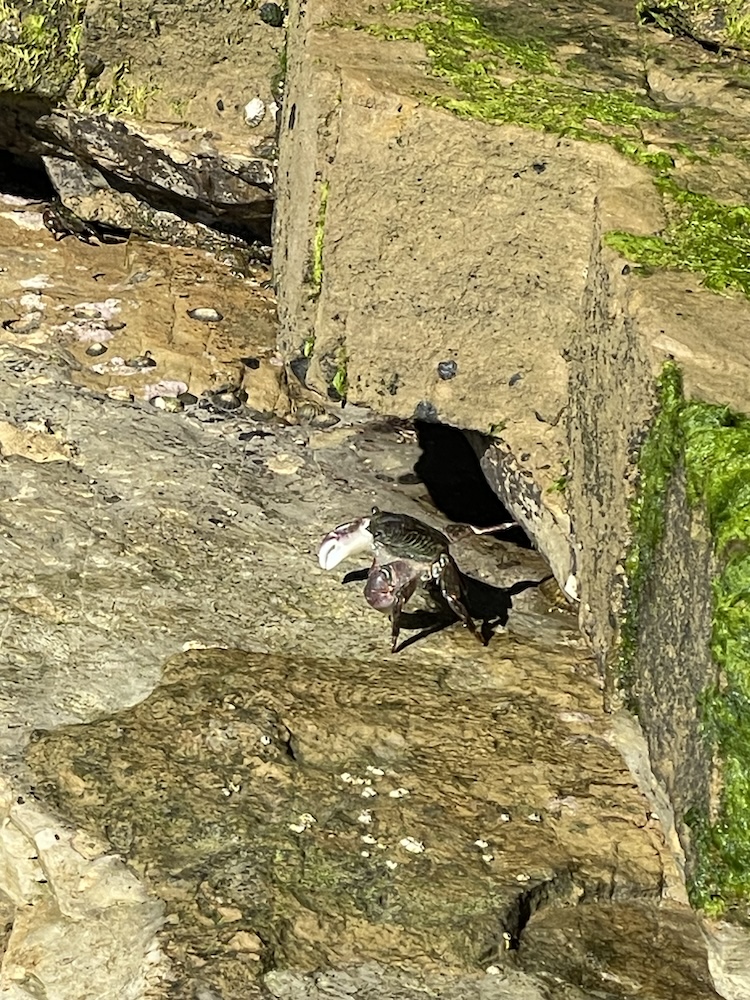
Kelp Crabs have a diverse diet, feeding on a variety of food sources including kelp, algae, small invertebrates, and even detritus.
If a kelp crab loses a claw or a leg due to predation or injury, it can regenerate a new one during subsequent molting cycles.


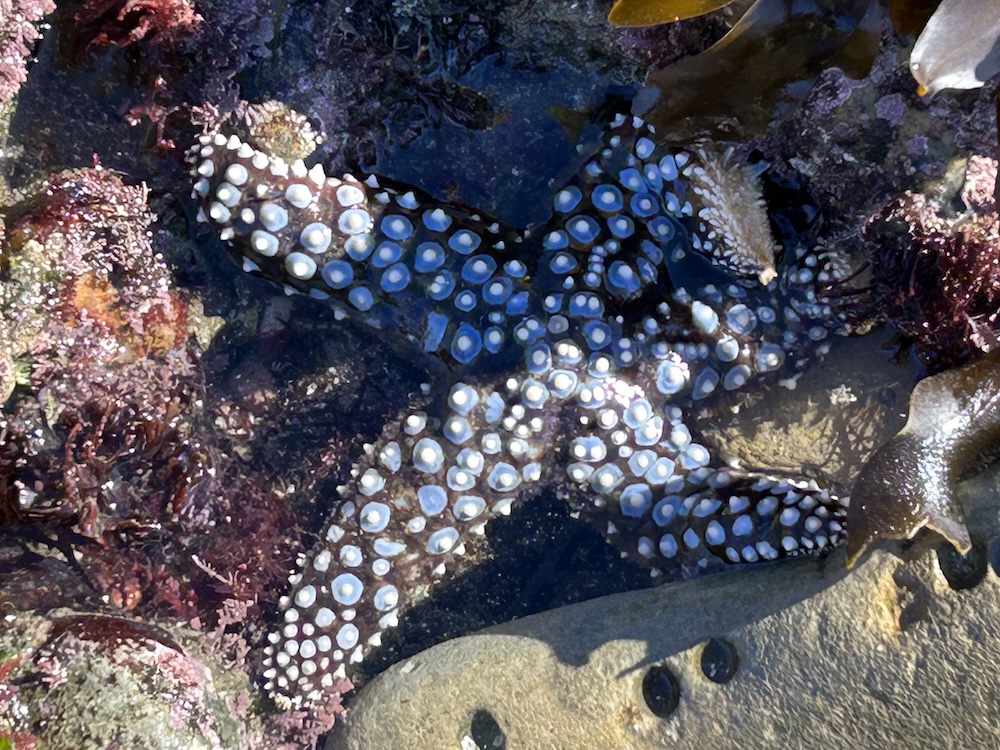
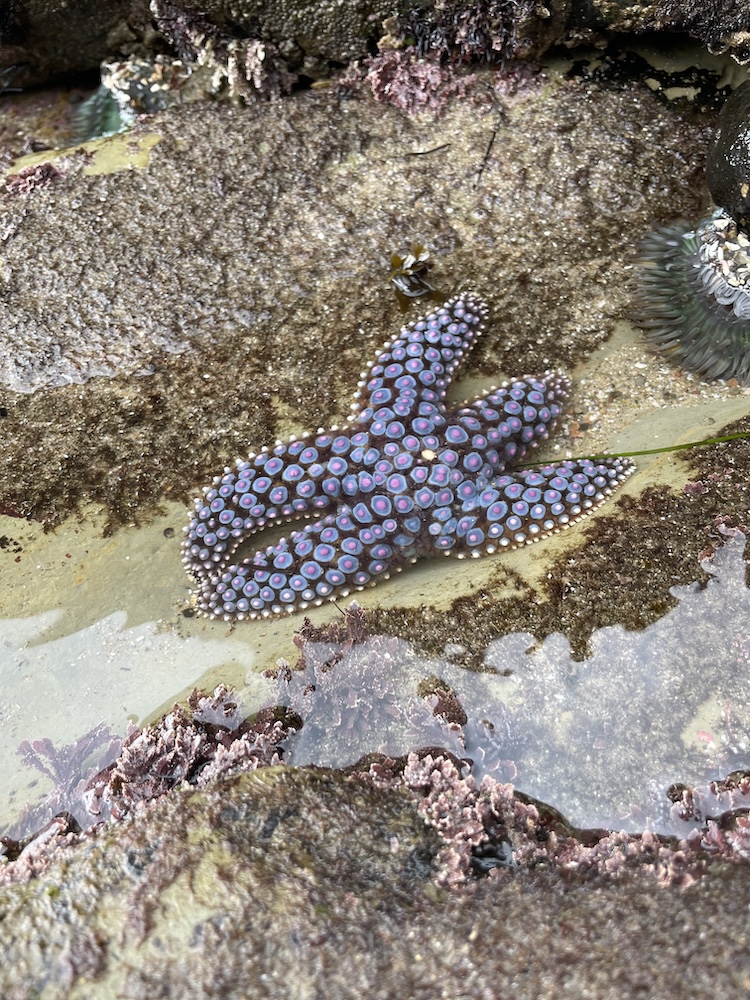
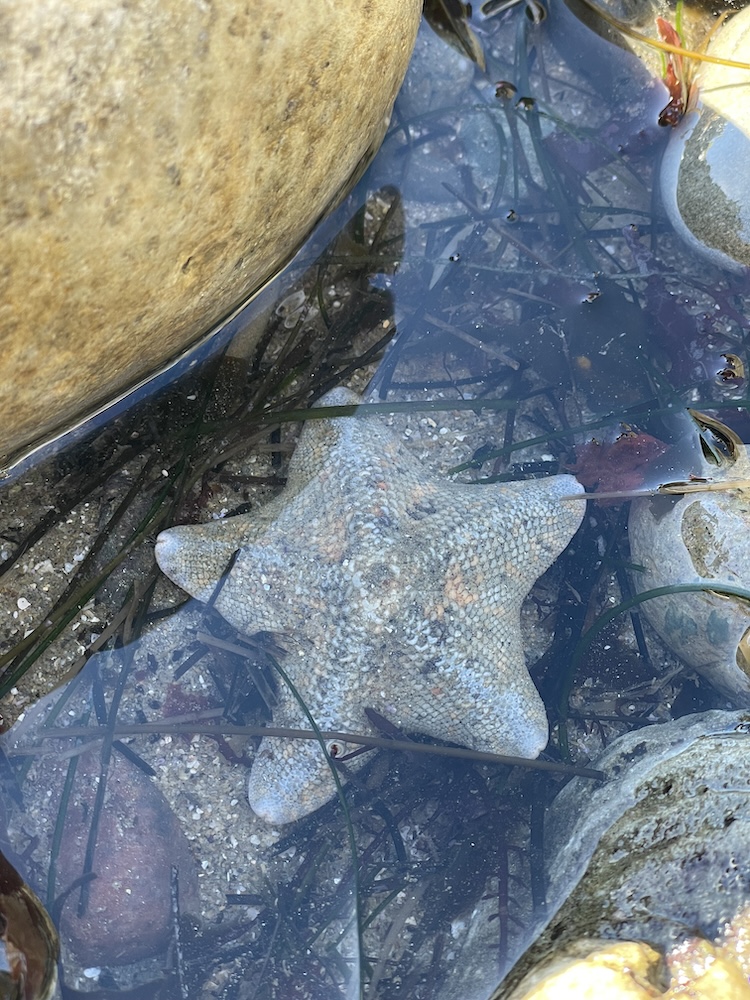
Once again Sea Stars did not disappoint in the tidepools.
On one day VIP Dave found a trifecta of sea stars, finding Bat Stars, a Knobby Star and a Fragile Rainbow Star!


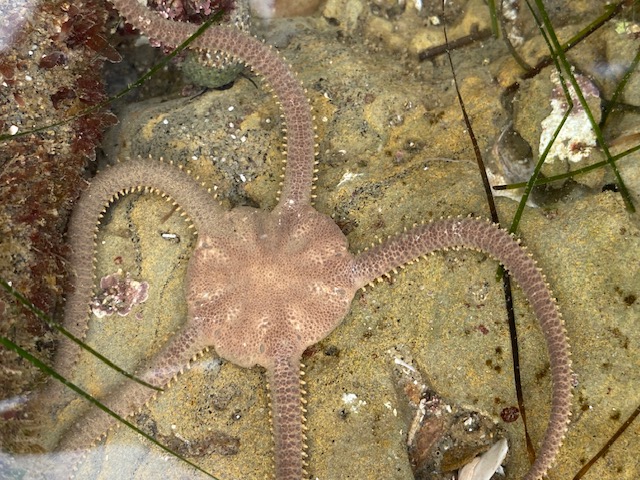
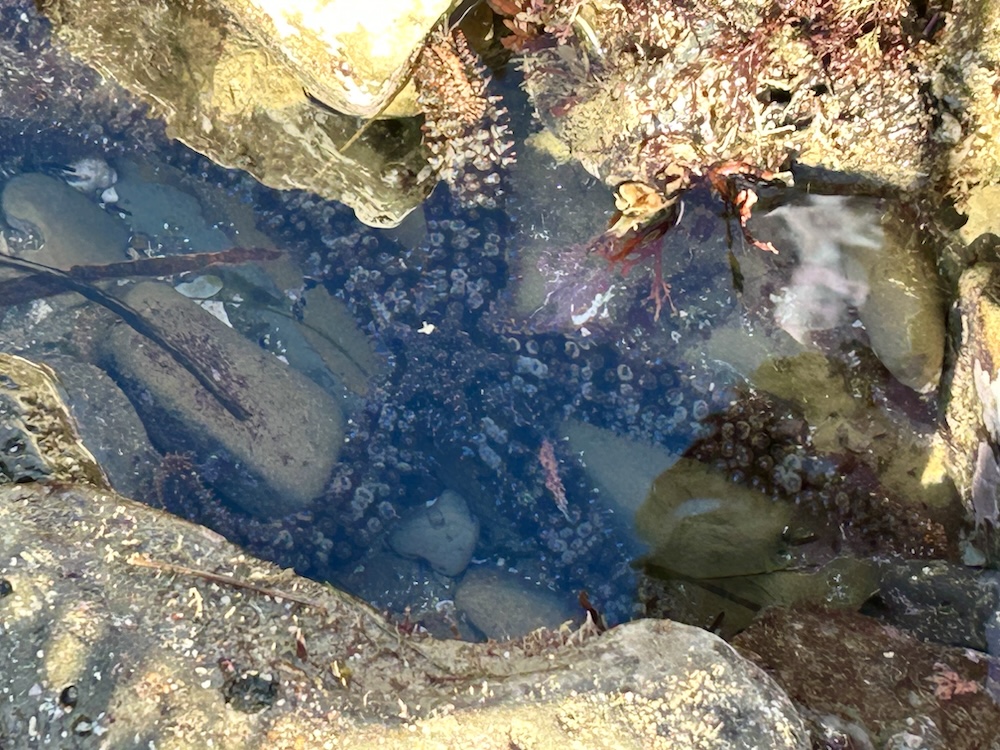

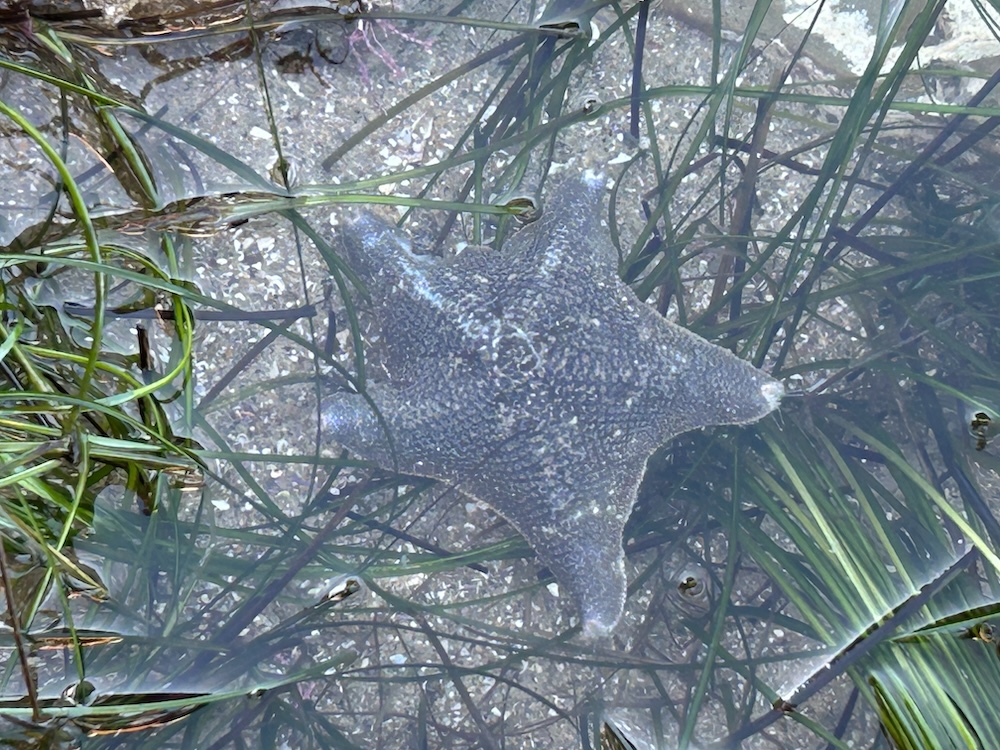
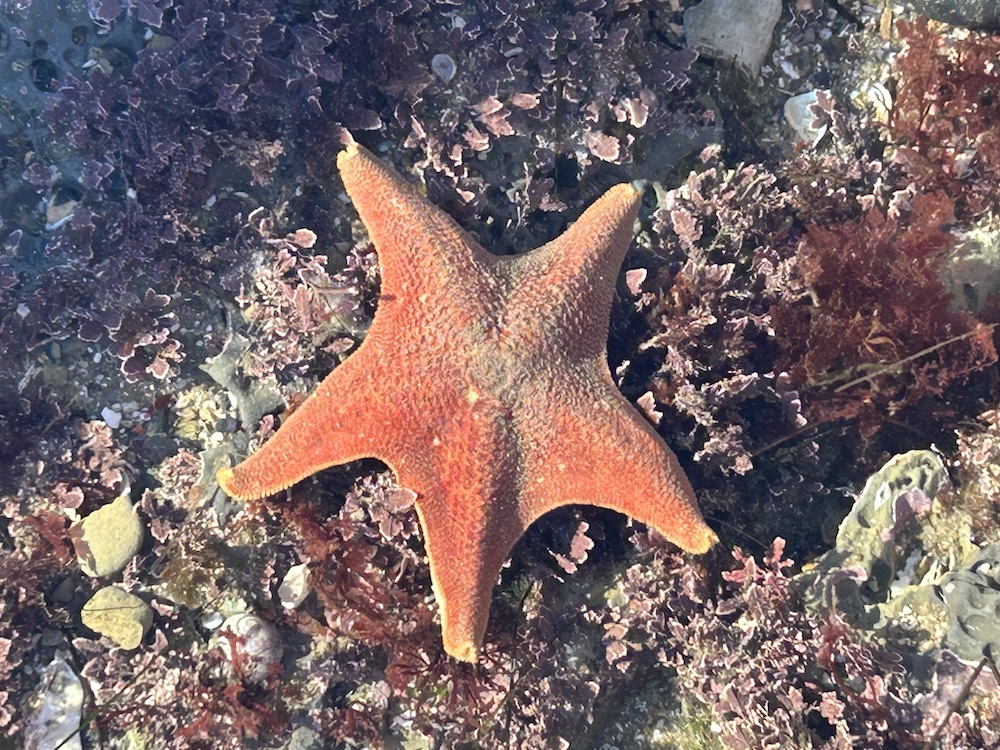
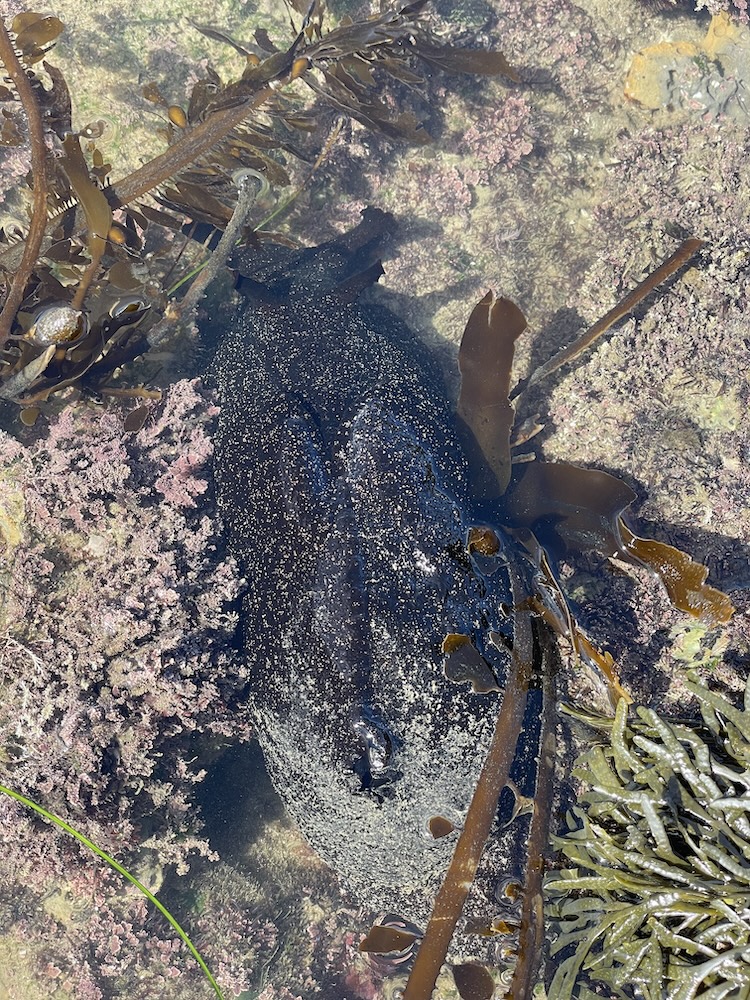
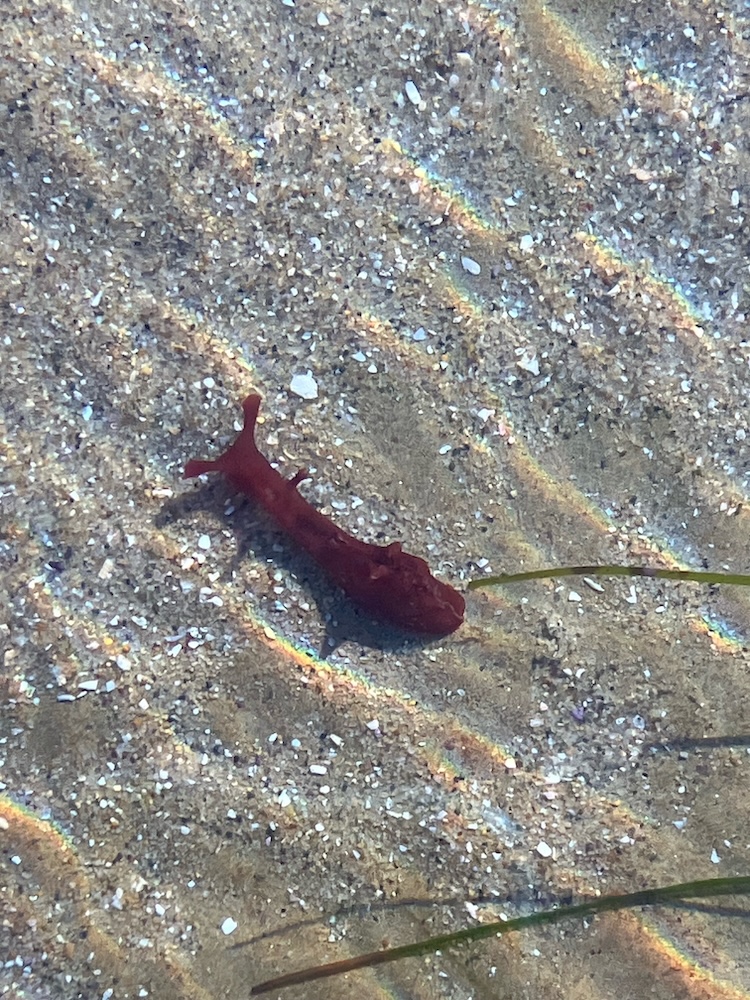
Along with observing Black Sea Hares, VIPs Sue and Denine both observed baby California Sea Hares. They were about 2 inches in length.







 CNM VIP Voice
These newsletters are wonderful. Thanks
Pam
<
div dir=”ltr”>
<
blockquote type=”cite”>